Cadiz to Seville Route
Key Facts
Camino: The Camino Via Augusta
Distance: 176km / 109 miles
Duration: 12-13 days
Miles per day: 6.2 - 19.8
Dates: TBC
Price per person: TBC
Summary

This route is an official Camino in itself: the Camino Via Augusta. It is approximately 176 km long, between the two splendid Andalusian cities of Cadiz and Seville (both of which are gems, though Seville is exceptionally special). The trail follows a section of the Via Augusta, the ancient Roman road that linked Gades (Cadiz), Hispalis (Seville), Carthago Nova (Cartagena) and Tarraco (Tarragona) when Spain was within the heart of the Roman Empire. Some pilgrims who do the Camino Via de la Plata—the 1,000-km-long Camino route from Seville to Santiago de Compostela—do the Camino Via Augusta section before continuing from Seville on the Via de la Plata. There is an argument to be made that the Camino Via Augusta should be subsumed into the Camino Via de la Plata that would then be from Cadiz to Santiago de Compostela). But if you are content with 176 kms rather than more than 1,000 kms (!), then this trail should work for you.
Itinerary and Route
Day 1: Fly to Seville or Jerez de la Frontera airports and continue from either by train to Cadiz
Day 2: Cádiz to San Fernando – length 15 km / 9.3 miles
Day 3: San Fernando to Puerto Real – length: 11 km / 6.8 miles
Day 4: Puerto Real to El Puerto de Santa Maria – length: 10 km / 6.2 miles
Day 5: El Puerto de Santa Maria to Jerez de la Frontera – length: 13.3 km / 8.2 miles
Day 6: Jerez de la Frontera to El Cuervo de Sevilla – length: 28.1 km / 17.5 miles
Day 7: El Cuervo de Sevilla to Lebrija – length: 11.7 km / 7.2 miles
Day 8: Lebrija to Las Cabezas de San Juan – length: 17.4 km / 10.8 miles
Day 9: Las Cabezas de San Juan to Utrera – length 32 km / 19.8 miles
Day 10: Utrera to Alcalá de Guadaíra – length 18.5 km / 11 miles
Day 11: Alcalá de Guadaíra to Sevilla - length 20 km / 12 miles
Day 12: flight home/option to stay the night in Seville
Day 13: (if stay the extra night in Seville): Fly back from Seville

Highlights of Route
This remains one of the least known and least well-trodden Caminos, although every year there are pilgrims who walk it. It’s a “hidden gem” of a Camino.
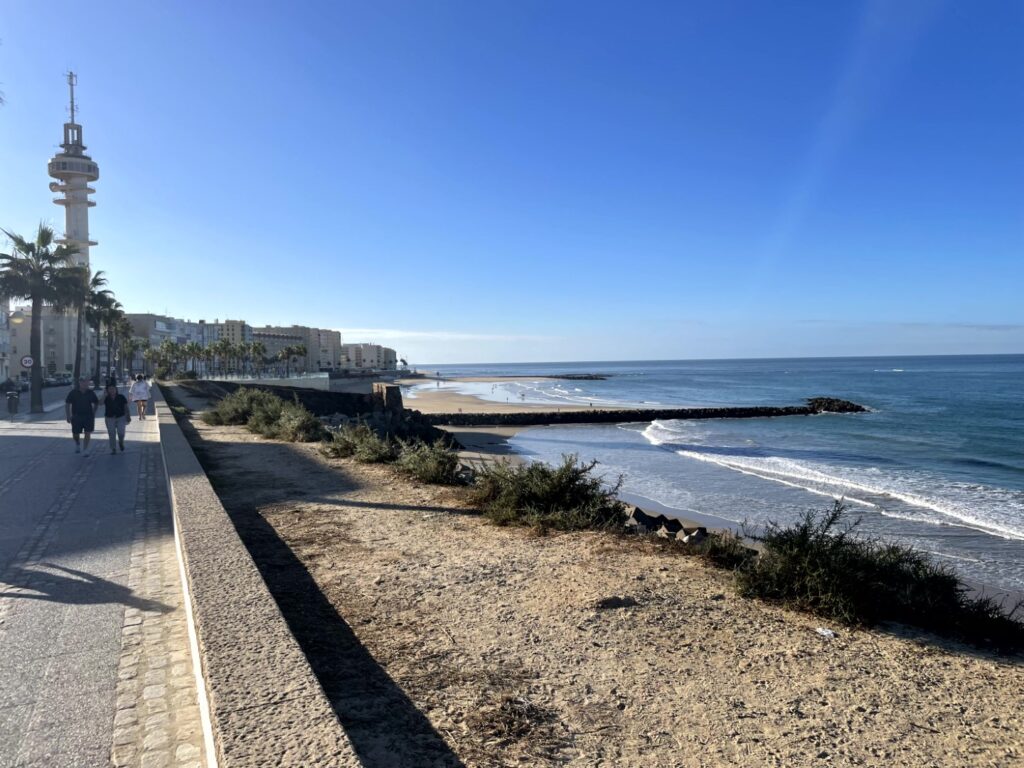
The under-the-radar city of Cadiz offers a laid-back beach-side vibe, lots of tasty , cheap seafood and atmospheric narrow streets bathed in rich sunlight beside the glittering waters of the Atlantic Ocean.

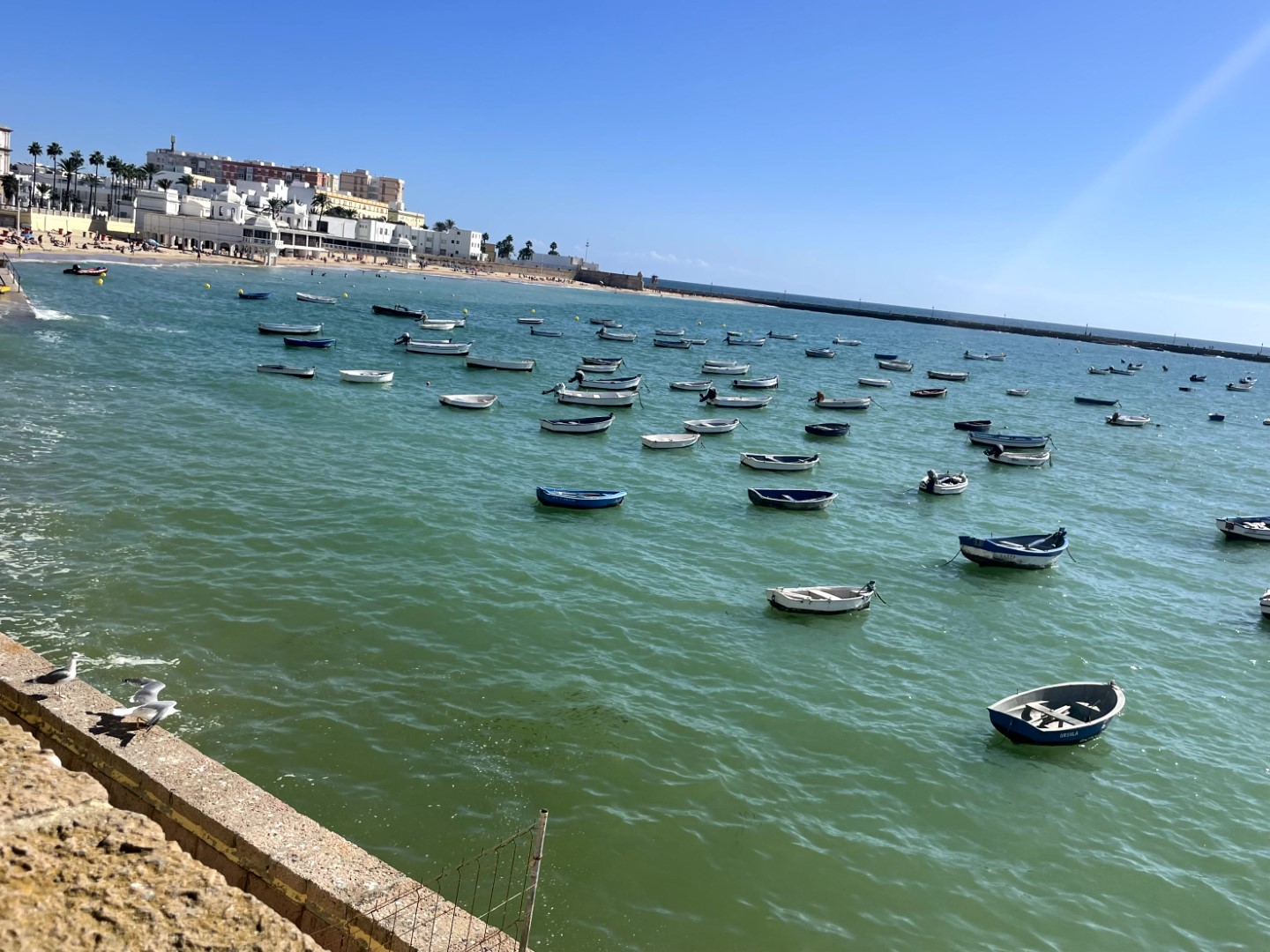
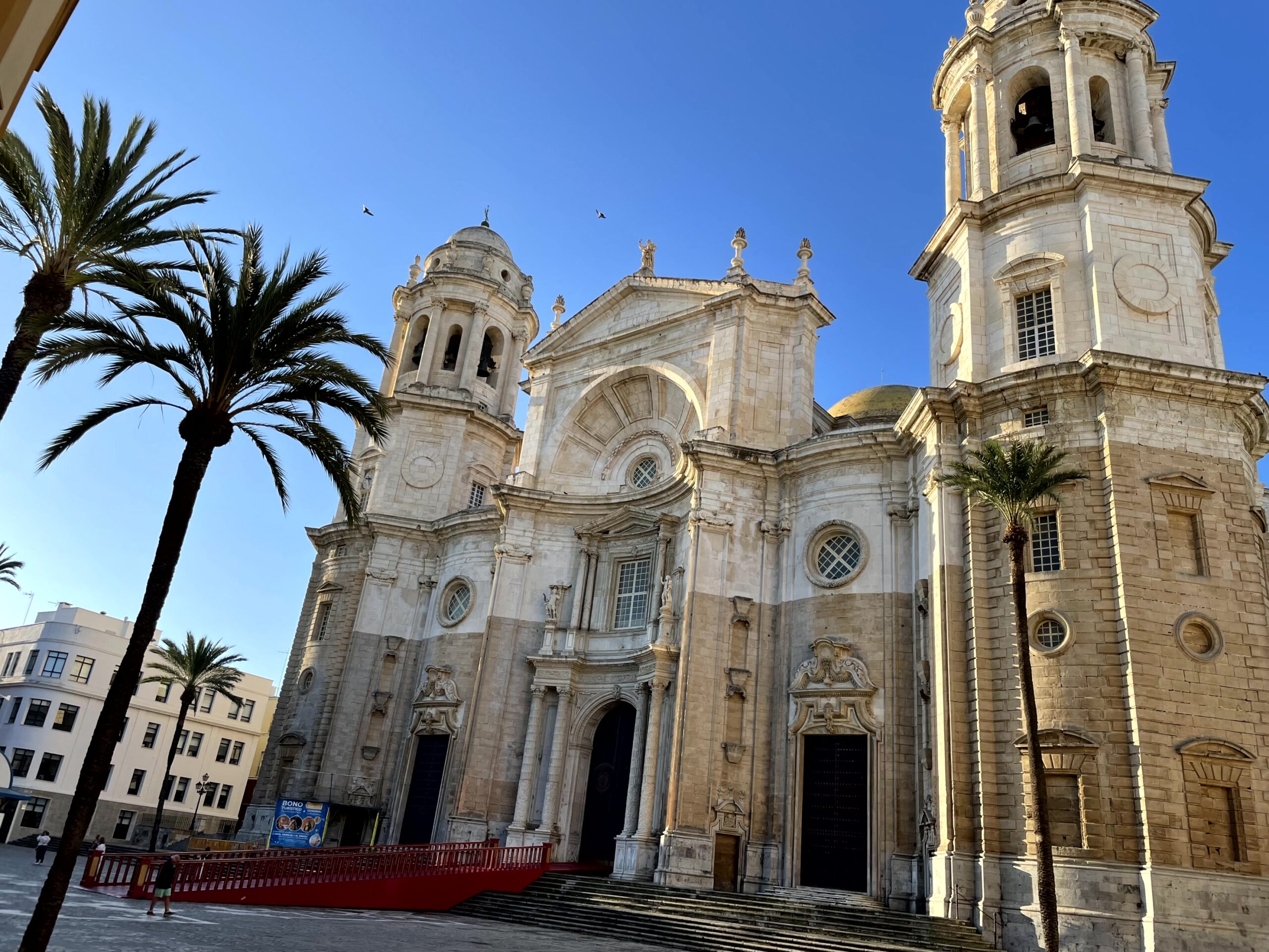
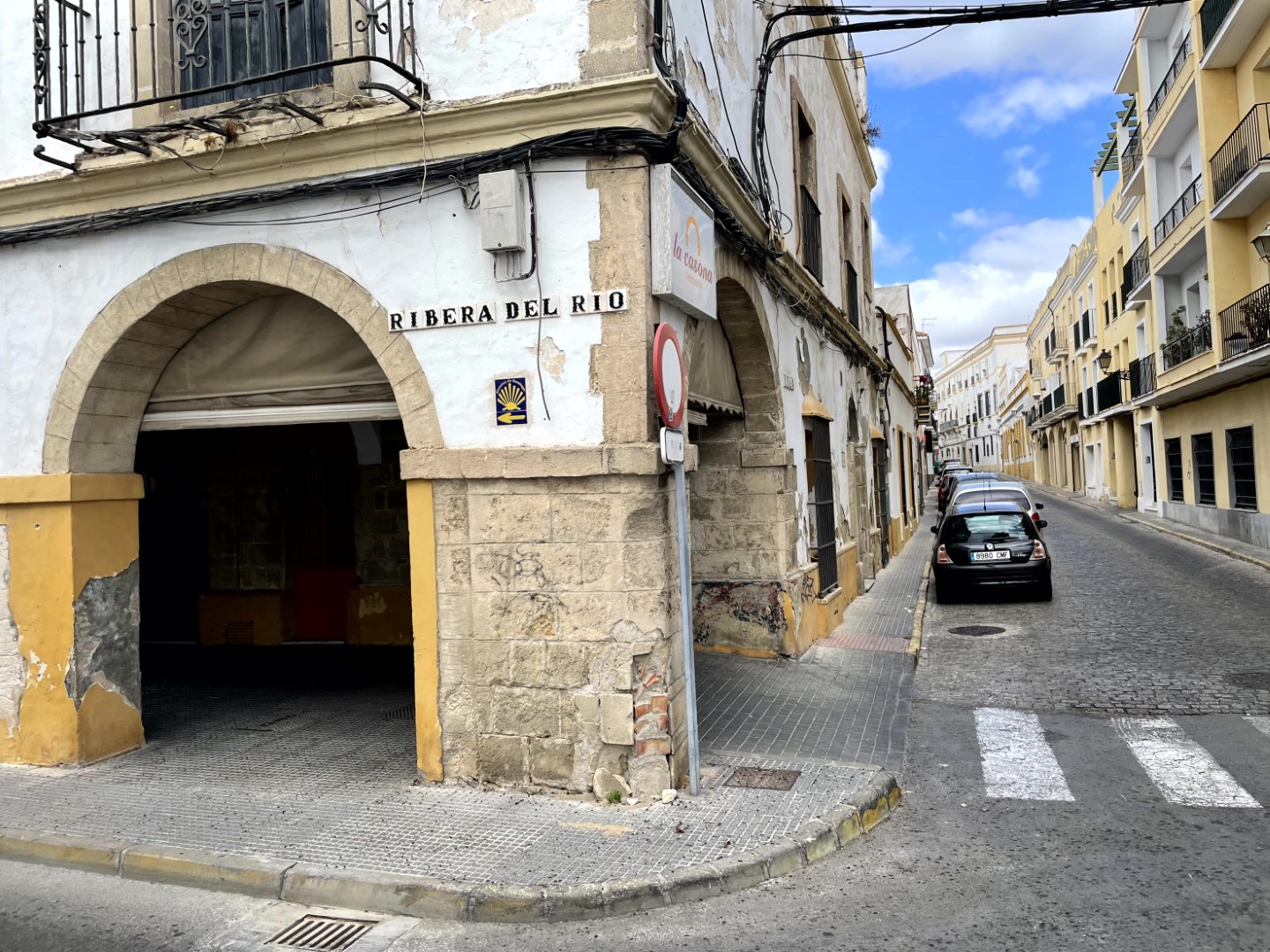
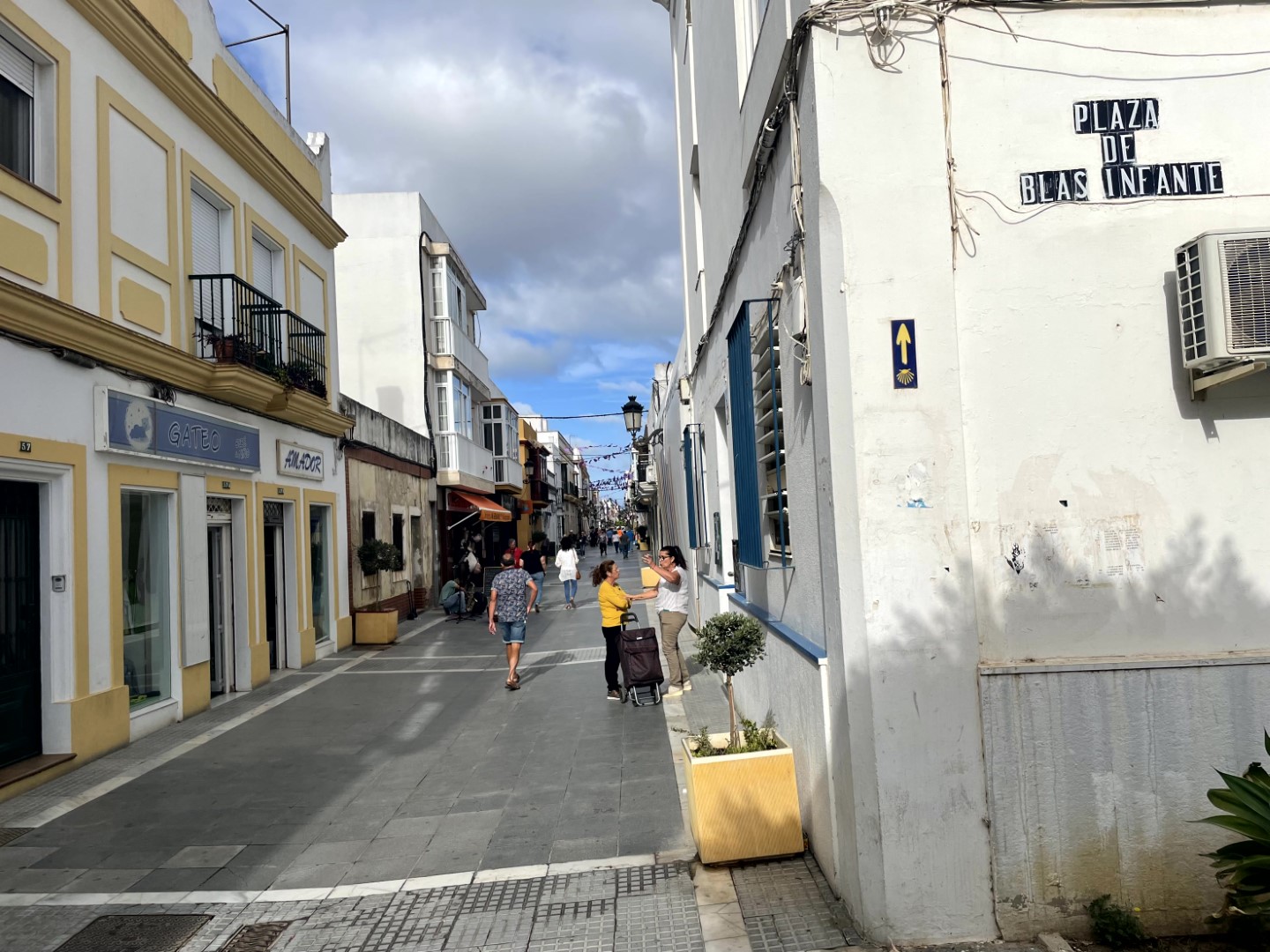
The towns of San Fernando, Puerto Real, El Puerto de Santa Maria, El Cuervo, Lebrija, Utrera and Alcalá de Guadaíra that the route passes through—and at each of which we will spend the night—are all hidden Andalusian delights that are off the tourist trail and most people will never have heard of. In them you can discover the beating heart of Andalucía and its people, while experiencing both at a more genuine and deeper level compared to the usual surface level that most visitors encounter and don’t get beyond.
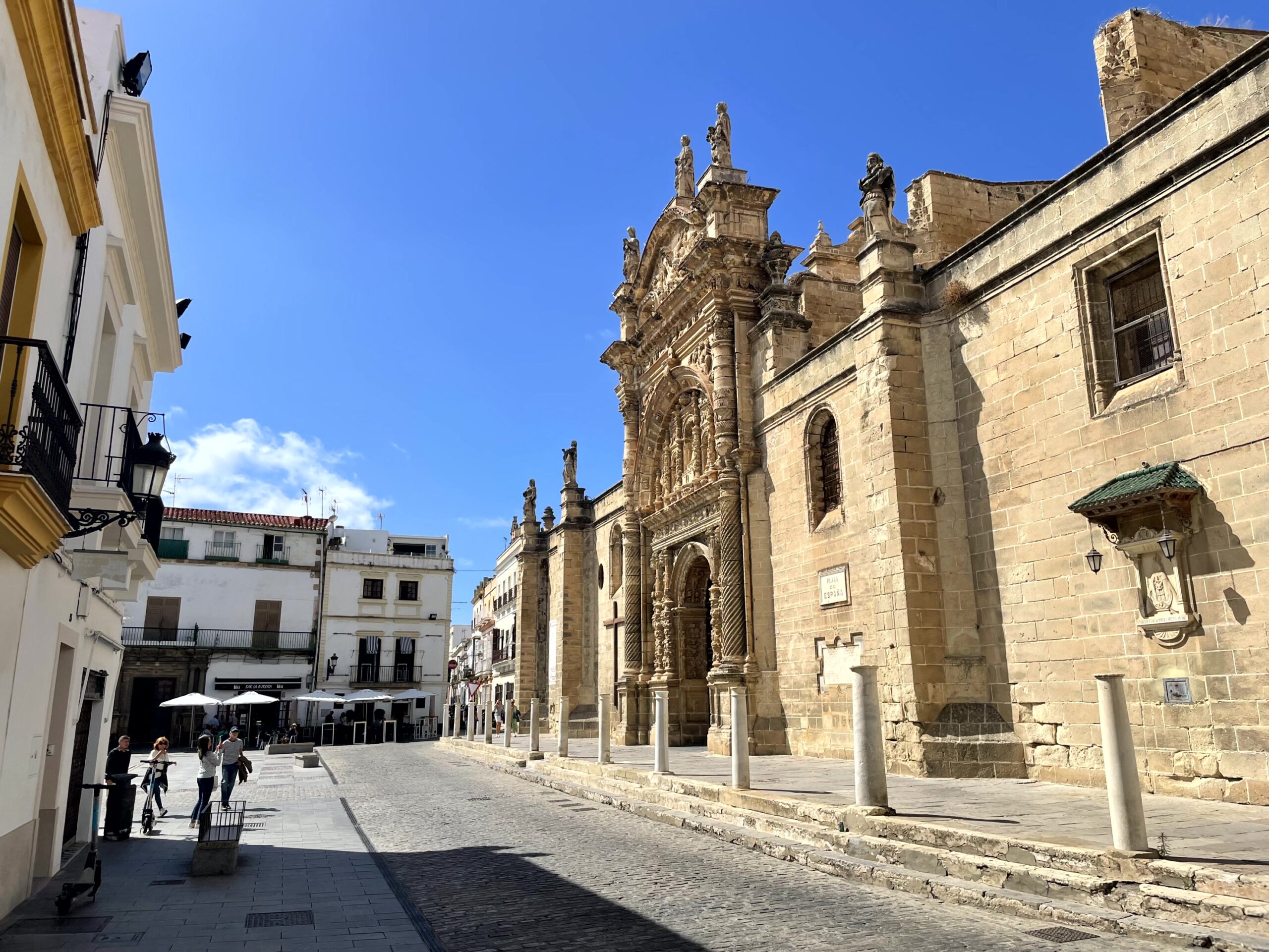
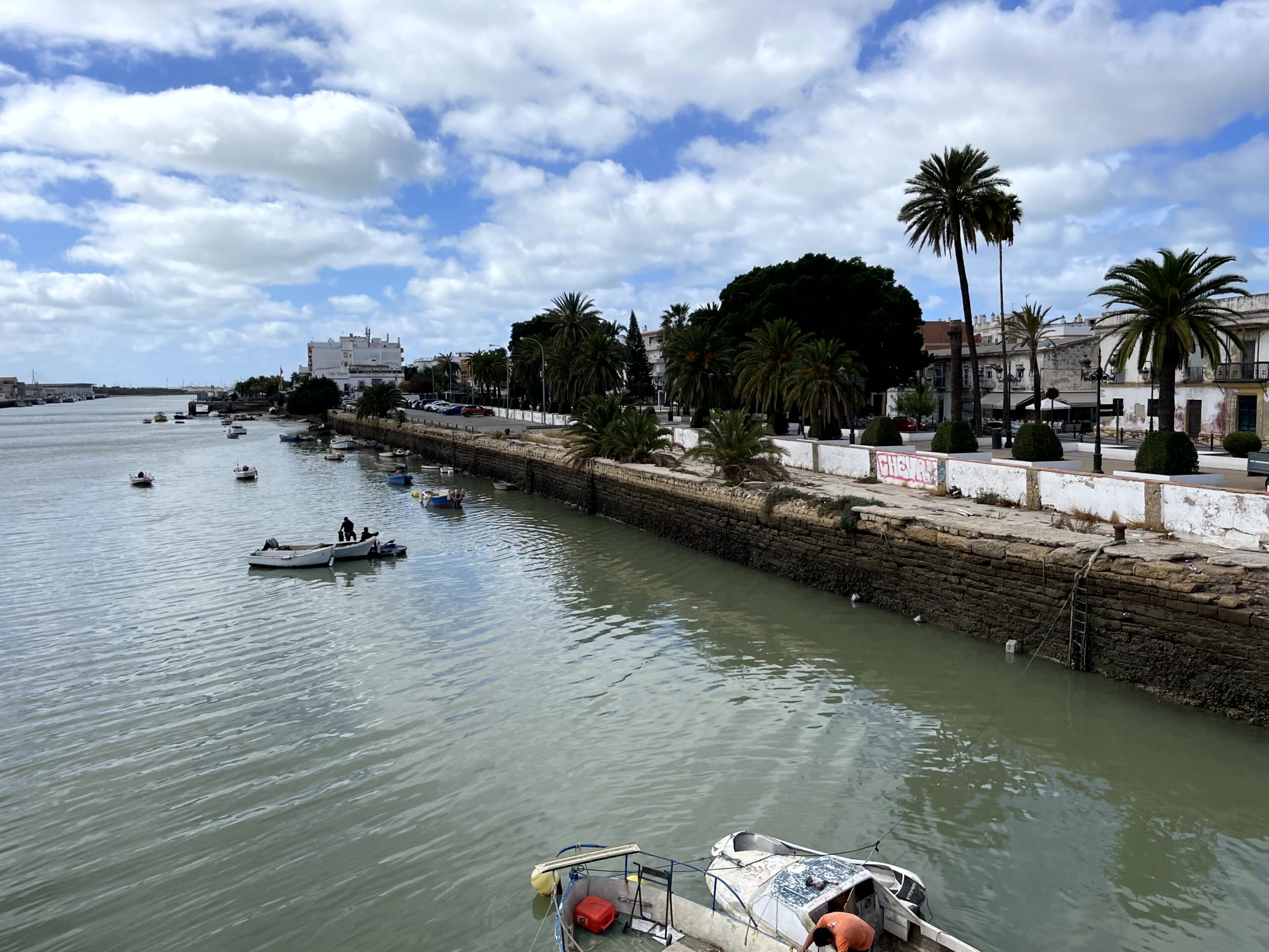

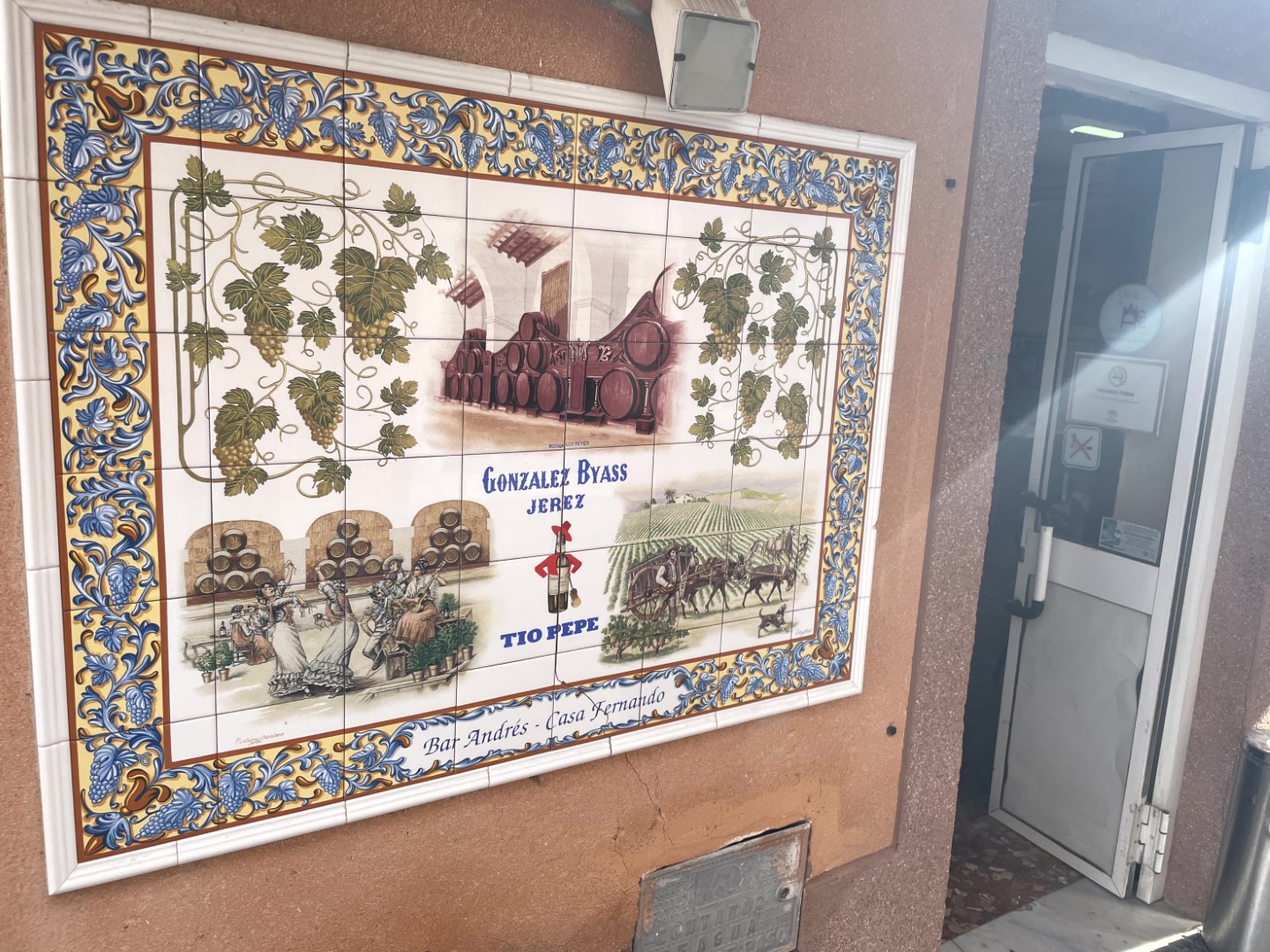
Not only is Jerez de la Frontera a gorgeous city, but it is the home of the fortified wine sherry (the word “sherry” was the British take in former times on the name of “Jerez”). The grapes used to make sherry are grown in the region surrounding the city and which the trail passes through. Prepare to discover many different varieties of sherry of differing shades, colours, dryness and sweetness.

Seville is one of Spain’s most lovely and beguiling cities—some say it’s the country’s finest—a result of the combination of its beautiful architecture, endless sunshine, vibrant outdoor lifestyle and friendly and easy-going populace; all of which is steeped in a rich history of Moorish rule followed by Catholic reconquest bequeathing a truly mesmerising legacy and history.

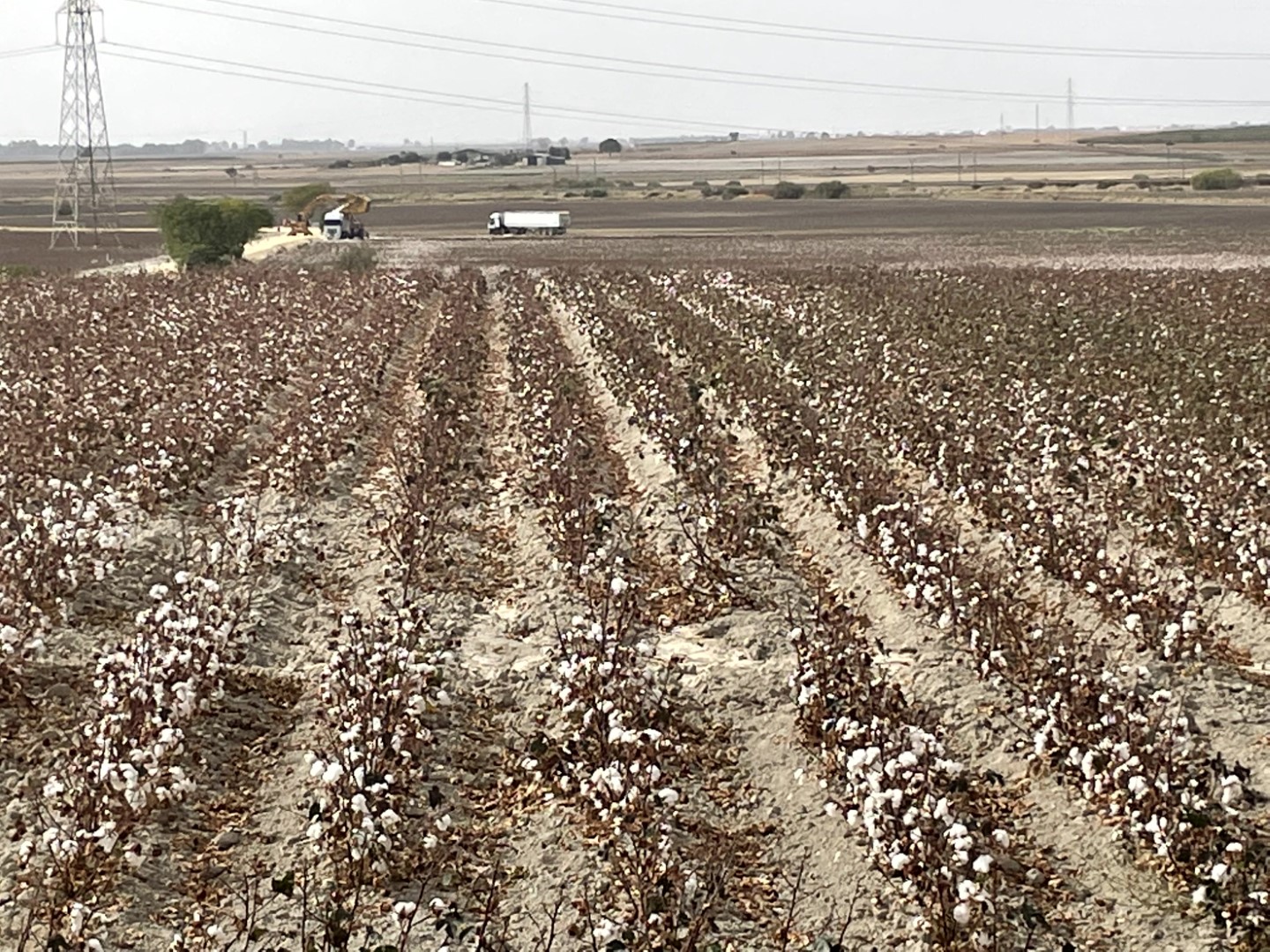
Spain’s southern region of Andalucía that this route passes through remains a quixotic treat that, like Seville and all the region’s cities, is infused by a rich history combining when the Moorish invaders ruled this region, bestowing beguiling art, music and architecture, followed by the Reconquest by Christian monarchs and armies bequeathing hilltop castles and beautiful churches.
You will encounter Flamenco—not so much the dancing type, which you can see in Seville, but the old-fashioned variety of guitar playing as someone sings a powerful, often mournful ballad. Flamenco is steeped in the gypsy side of Andalucía, and it’s a potent force to encounter.
Related Articles
Walking the Camino during Covid’s End of Days
When the lockdowns and travel bans wouldn’t end, an ancient pilgrimage offered the only escape
Before the Portuguese police officer told me I couldn’t walk across the border into Spain, the only other time I had been stopped from crossing a border was when I tried to go from northern Ethiopia into Eritrea. That time had been in the role of a journalist, and I wasn’t entirely surprised with the rebuttal given Eritrea is ruled by an authoritarian government. At the Portugal-Spain border, I was trying to cross as a Camino pilgrim. Even though it was the middle of the pandemic and the border was technically closed, locals were allowed to cross for “essential” work, and I’d reasoned the police—who I estimated probably were Catholic themselves—might look sympathetically on a lone pilgrim. Unfortunately, there was to be no bending of the rules even when going forth in the name of Saint James.
Catholic World Report
Read More >
The thirstiest Camino of them all
Few pilgrims who attempt the Camino have heard of the Via de la Plata, fewer still have walked it
At 620 miles (1,000 km), it is the longest and loneliest of the Camino routes, crossing the Iberian Peninsula to Santiago de Compostela. As much of it is under the baking sun of southern Spain, it can also be the thirstiest, as I discovered last summer.
Catholic Herald
Read More >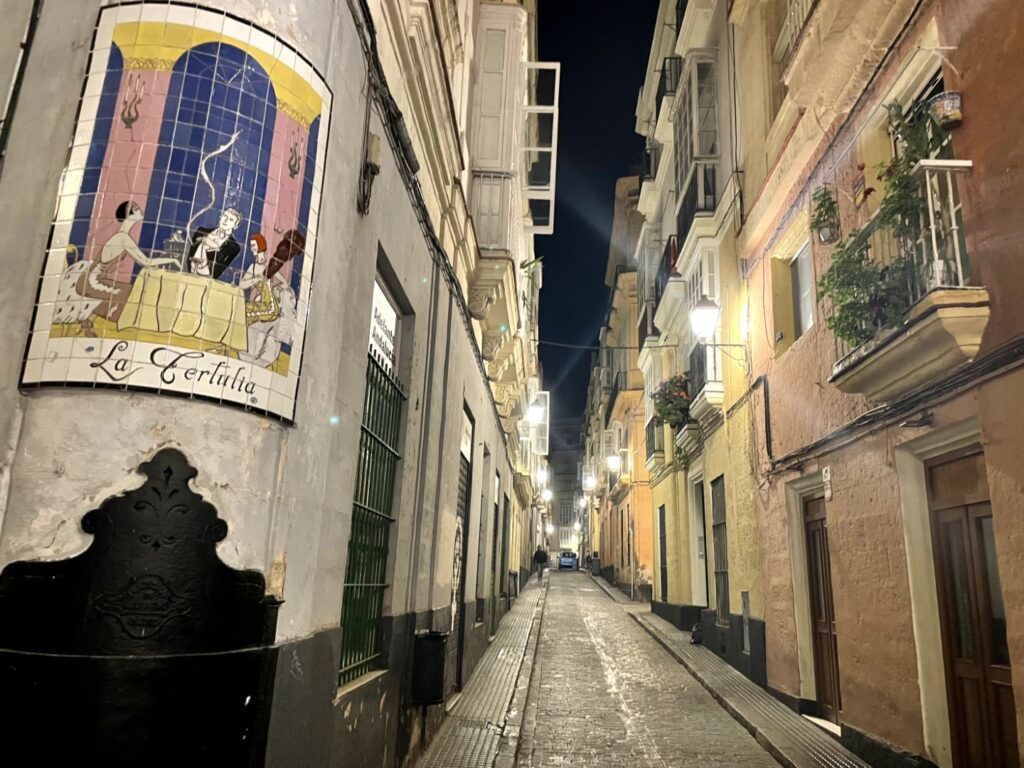
Seville’s ancient alchemy of agony and ecstasy
You can’t move in the capital of southern Spain’s quixotic Andalusia region without encountering the striking blend of Catholic suffering and jubilation that Seville seems determined to wear on its sleeve.
Goodness knows what non-Catholics, let alone atheists, must make of it all when visiting Seville. You can’t move in the capital of southern Spain’s quixotic Andalusia region without encountering the striking blend of Catholic suffering and jubilation that Seville seems determined to wear on its sleeve. I couldn’t help noticing it during a month-long stay at a hostel on the thoroughfare of Calle Reyes Católicos in the heart of the city, after my knees and back began telling me it was time to take a break from my extended Camino de Santiago pilgrimage that had hurtled past the 2,000km mark.
Catholic Herald
Read More >